How Much Does a House Extension Cost in 2026?
Dreaming of more space in your home? It eventually happens to every homeowner, especially if it’s their first home.
But packing up and moving on isn’t your only option… because a) it’s exhausting, b) it’s tricky to find somewhere you love at the same time your house sells, and c) it can be expensive.
That’s why, for many homeowners, extending is the perfect middle ground. It adds a new space to your home without the upheaval of moving and the costs of stamp duty, solicitor fees and moving costs.
But naturally, one big question comes first: how much does it cost for a house extension?
We’re here at West Midlands Building Company to break it down in a clear, honest and helpful way, letting you start planning your dream home renovation with confidence.
Average Cost Of House Extension In 2026
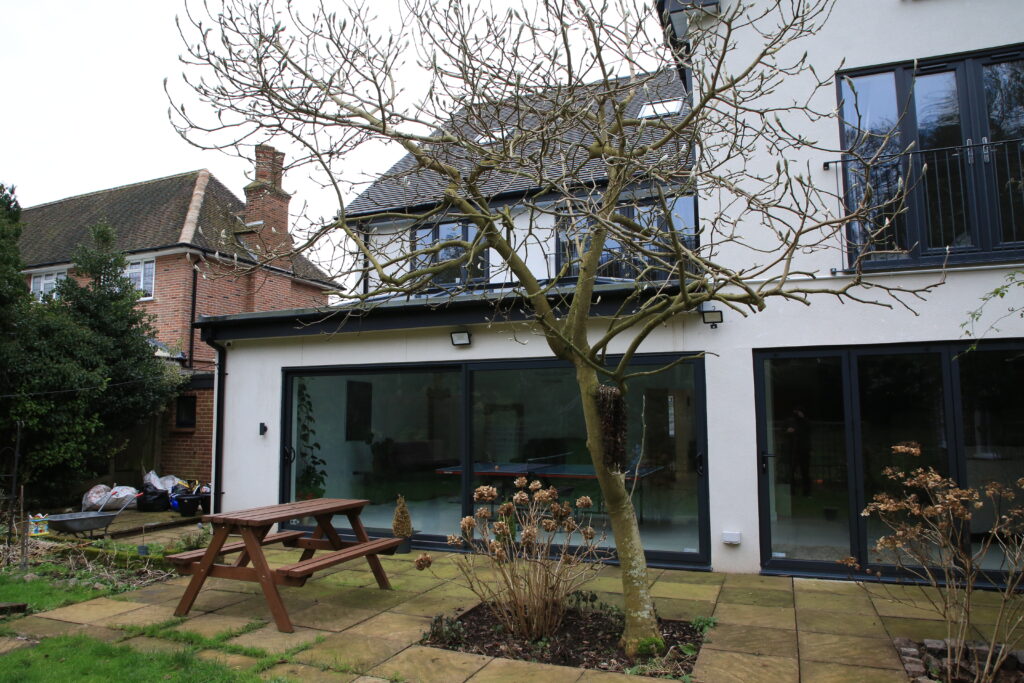
In 2026, the average cost of an extension in the UK typically falls between £1,800 – £3,500 per m², depending on specification and complexity
But what does that actually mean for real homes? To break that down, here are some examples of average costs (please note, these are averages based on 2026 costs across the whole of the UK):
- A small extension (20m²): £36,000 – £70,000
- A medium extension (30–40m²): £54,000 – £140,000
- A large extension (50m²+): £90,000 – £175,000+
Of course, it’s important to remember that these are just averages – everybody’s home is different, and their requirements for an extension differ, too. The real answer to a typical house extension cost depends on several key factors.
Factors That Can Affect The Cost Of A House Extension
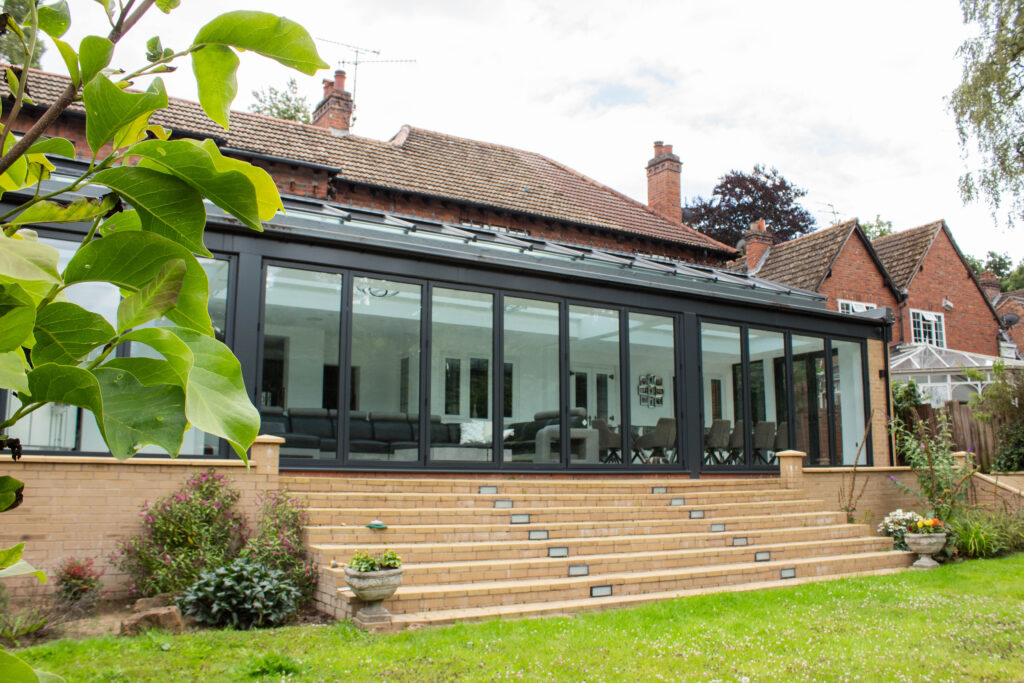
Ever wondered why your neighbour’s extension cost significantly more (or less) than yours might? Or perhaps a family member who lives in another area has paid a lot more for their extension than you’ve been quoted?
It’s rarely random – in fact, there are specific elements that shape your final price.
Extension Size
The size of your extension plays a major, if not the major, role in overall cost:
This is generally the most affordable option, and is ideal for kitchens, dining rooms, or living spaces.
Typically, a single-storey extension also has lower structural complexity, making it easier to build and, therefore, more affordable in price.
A two-floor extension, on the other hand, has a higher upfront cost, but tends to be better value per m².
It adds both ground-floor and upstairs space, making it a real game-changer for home living, but that does mean that more structural work is required.
- Small extension (under 25m²)
Extensions that are under 25m² have a lower overall cost and are great for modest upgrades, like utility rooms for washing machines and storage units.
However, the cost of a small extension may still feel high per m² due to fixed costs, so be sure to know your requirements to make sure you’re getting your money’s worth.
- Medium extension (25–50m²)
For extensions that can be described as ‘medium-sized’, these are the most common choice for families. For example, adding a playroom or another small bedroom can be a great way to create more space without moving.
Medium-sized extensions offer a balance of cost and additional space, so be sure you’re prepared for the higher costs, but they can also act as a compromise when you’re not ready for a large extension.
- Large extension (50m²+)
And the large extension, usually described as over 50 m², is a significant investment and should be considered carefully.
Large extensions are ideal for open-plan living, such as kitchen extensions, or major home transformations that tackle both the ground and first floors.
Quality of Extension
The next factor to consider is the quality of your home extension. What kind of finish are you aiming for? Are you simply looking to add functional space, or are you envisioning a high-end finish that transforms how your home feels day-to-day?
Deciding between basic and luxury can be tricky, especially if the budget is tight, so let us help you choose:
- Basic / Budget Build
Basic builds focus on practicality. This typically includes standard materials, straightforward design choices, and cost-effective finishes, which is ideal if you’re working within a tighter budget or prioritising function over form.
That said, even a modest extension can still feel fresh and well-integrated when done properly, like you’d expect with any extension from West Midlands Building Company.
- Mid-Range Build
A mid-range build strikes a balance between affordability and aesthetics. This is where many homeowners land, opting for durable materials, modern fixtures and a more refined finish without creeping into that luxury pricing range.
It’s a great way to ensure your extension not only looks good now, but continues to perform well over time.
- Premium / Luxury Build
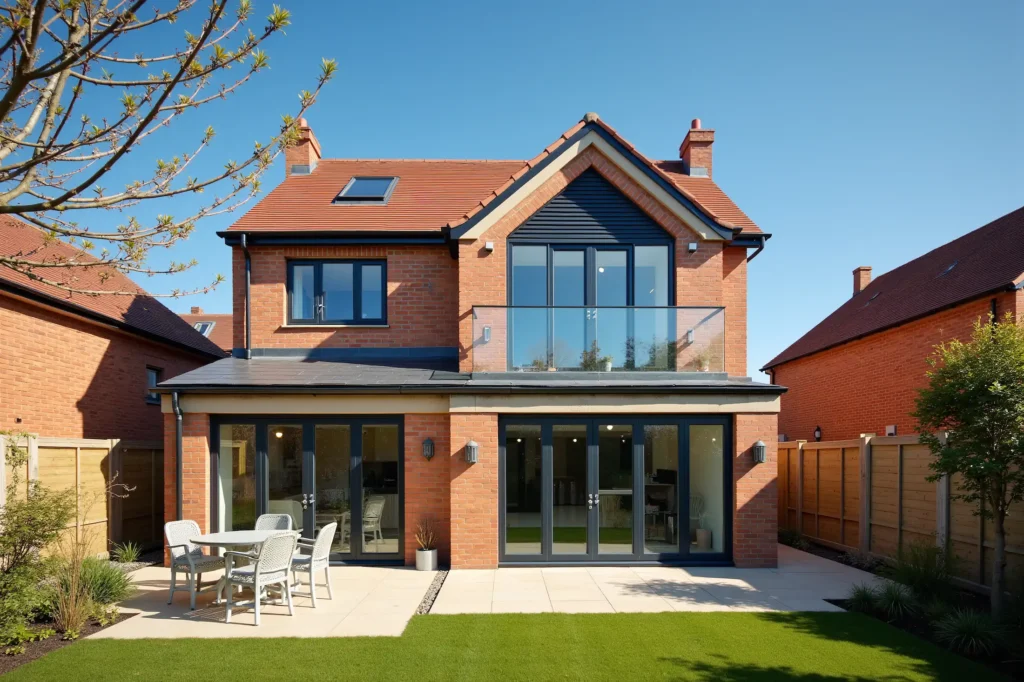
At the top end, a premium or luxury build is all about detail, design, and longevity. Bespoke elements create the luxurious feel, such as large glazed doors, high-spec kitchens, bi-folds, and premium flooring.
While this will increase your upfront investment, it can significantly enhance both your living experience and your property’s value.
Extension Type
The type of extension you choose is one of the biggest factors in the overall cost of a house extension, and it often comes down to how you want to use the space.
Here are the most common types of extensions and their average costs (again, please note these are average costs for 2026 across the UK):
- Rear Extension
- Average cost: ~£1,800–£3,000 per m²
A rear extension remains one of the most popular choices for UK homeowners, particularly for expanding kitchens or creating open-plan living areas.
This is because the rear extension cost is generally more manageable compared to other options, making it a practical starting point for many families.
- Side Extension
- Average cost: ~£2,000–£3,200 per m²
A side extension makes clever use of underutilised space, especially in semi-detached or detached homes.
While the side extension cost can be slightly higher due to structural considerations, it can dramatically improve layout and flow within your home.
- Side Return Extension
- Average cost of a side return extension: ~£2,500–£3,500 per m²
For terraced properties, a side return extension is a smart way to widen narrow kitchens, creating space and light for cooking areas.
The cost of a side return extension is often higher per square metre due to the complexity of working in tighter spaces, but the transformation can be striking, turning dark, cramped layouts into bright, open rooms.
- Wrap Around Extension
- Average premium cost: £60,000 – £150,000+
If you’re looking for something more ambitious, a wrap-around extension combines both rear and side elements to create a large, continuous living area.
This is a premium option, but one that can completely redefine your home.
Other types of extensions can also include:
- Garage Conversions: Average cost: £10,000 – £25,000. Garage conversions are often the most cost-effective way to gain extra living space without extending outward.
- Loft Conversions: Average cost: £30,000 – £80,000+. Loft extensions make use of the existing structures to add bedrooms or offices.
- Kitchen Extensions: Average cost: (varies widely depending on the kitchen spec). Kitchen extensions can transform your day-to-day life, making the kitchen truly the heart of the home.
Ultimately, the right choice depends on your home, your budget and how you want to live in the space. It’s not just about adding square footage – it’s about adding value to your everyday life.
Location
It’s easy to overlook, but your location plays a crucial role in determining your house extension cost. Have you ever wondered why similar projects can vary so much in price across the country?
- London and the South East
In these areas, labour costs are typically higher, and demand for skilled tradespeople often exceeds supply. This naturally pushes prices up, sometimes significantly.
Material costs can also be slightly elevated depending on availability and logistics.
- The North
In contrast, the North tends to offer more competitive pricing, both in terms of labour and overall project costs.
This can make a noticeable difference when budgeting for your extension, especially on larger builds.
- The Midlands
Similar to the North, the Midlands also tend to offer more competitive pricing.
Local demand also has an impact. If there’s a shortage of experienced builders in your area, prices may rise due to limited availability.
On the other hand, areas with a strong network of trusted contractors – like the West Midlands – often provide a better balance of quality and cost.
So while online estimates and averages are helpful, they can only go so far. The most accurate way to understand the typical house extension costs for your specific area is to speak directly with a local specialist who understands the market inside out – like us here at West Midlands Building Company.
Benefits Of Adding A Home Extension
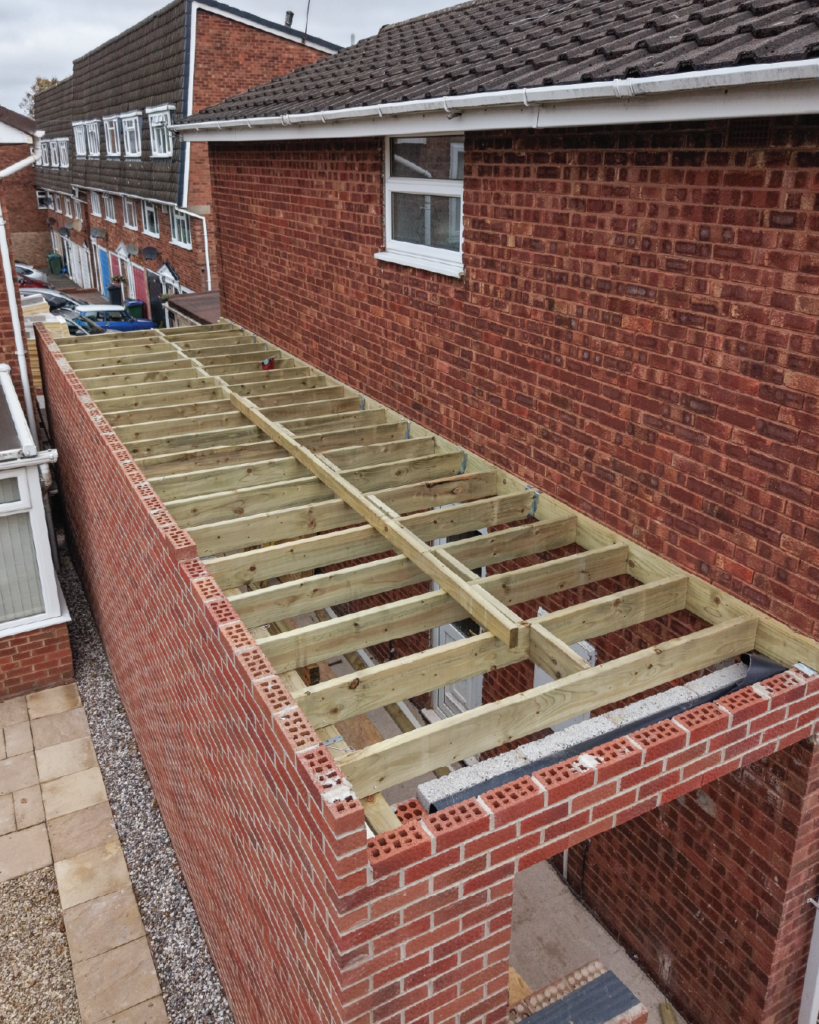
Still weighing up whether a home extension is worth the cost? Let’s look at why so many homeowners decide to give it the green light:
- Improved functionality: Need a home office? Bigger kitchen? Extra bedroom? An extension lets you design your home around your life, not the other way around.
- Increased property value: A well-designed extension can significantly boost your home’s market value, as more space equals more profit.
- Cheaper than moving house: When you factor in stamp duty, legal fees, and moving costs, extending is often the more cost-effective choice.
House Extension Costs FAQs
How Do I Know What My House Extension Will Cost?
Unfortunately, no online house extensions cost calculator can give you a fully accurate figure, as every project is unique.
The best way to get clarity is to request a detailed quote that includes:
- Materials
- Labour
- Design and planning considerations
At West Midlands Building Company, we offer free, no-obligation house extension quotes so you know exactly where you stand from the start.
What Are The Typical Costs Of A House Extension In My Area?
Costs vary across the UK, but in short, think of it like this:
- London and the South East → higher costs
- Midlands and Northern regions → more competitive pricing
If you’re based in the West Midlands, you’re in a great position to get excellent value for money. For the most accurate estimate, it’s always best to speak to a local expert, like us here at West Midlands Building Company.
Do I Need Planning Permission For A House Extension?
Not always – actually, in most cases, many extensions fall under permitted development rights, meaning you may not need full planning permission. However, this depends on size, location, and design.
We recommend checking out our dedicated planning guide on whether you need planning permission for an extension, or speaking to our team for advice tailored to your project.
What is a ‘Shell Extension’, And How Much Does That Cost?
A shell extension is just what it says on the tin – the shell of your extension only. This option is ideal if you’re confident with DIY or want to spread costs over time.
It includes:
- Foundations
- Walls (brick/block)
- Roof structure
But it does not include:
- Plastering
- Internal walls or finishes
- Electrics and plumbing
- Windows/doors (in some cases)
- Flooring beyond basic concrete
Typical cost: £1,200 – £2,000 per m²
How Long Will My House Extension Take?
On average, most extensions take around 3 – 6 months to complete. However, timelines can vary depending on:
- Size and complexity
- Weather conditions
- Planning approvals
- Material availability
It’s also wise to factor in potential delays as they can often happen in construction, for example, waiting on parts or downpours delaying the build.
Ready To Build Your Home Extension?
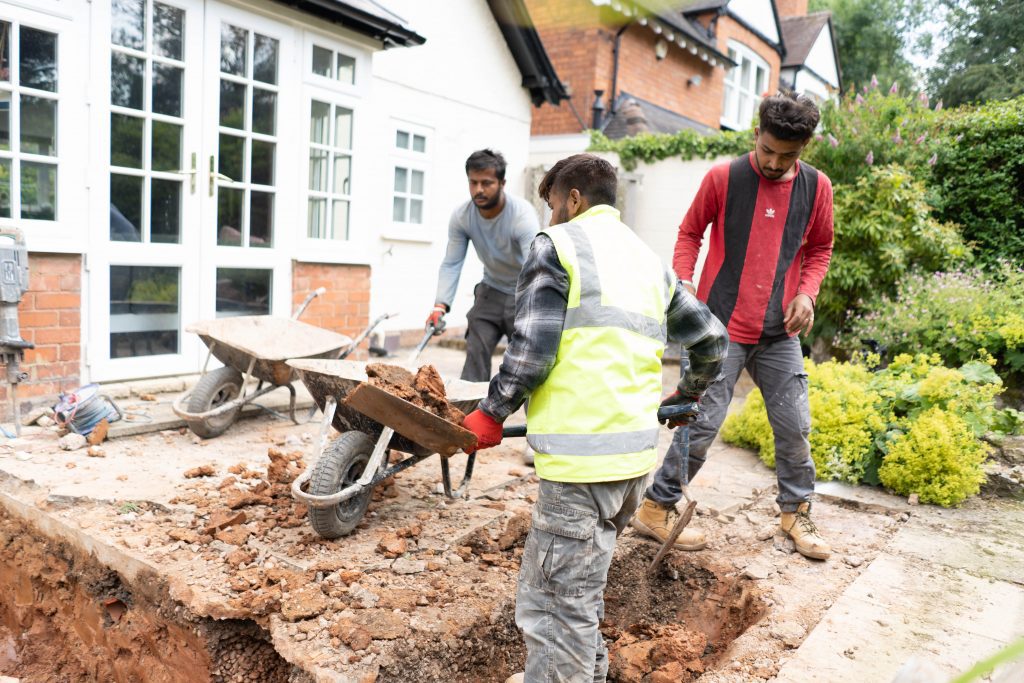
By now, you probably have a clearer idea of your potential house extension cost—but maybe you’re also asking yourself if it’s worth it, and how to choose the best house extension type. That’s where we come in.
At West Midlands Building Company, we combine expert craftsmanship with honest advice, helping you create a space that works for your lifestyle and your budget. We’ve worked on hundreds of single-storey extension projects in the Birmingham and West Midlands area. With over 150 positive Google reviews, we’ve built a reputation as one of the most reliable and customer-focused companies in the region.
We also offer a variety of finance options, including buy-now-pay-later plans, and at the time of writing, we’re the only provider in the West Midlands to offer finance terms of up to 20 years on conservatory projects.
Ready to build your house extension? Get in touch with one of our friendly team members today to receive a FREE quote and information about next steps.
Related Articles