Do You Need Planning Permission For a Single Storey Extension?
Wondering if planning permission is required for building a single storey extension? Side or rear, front or wraparounds, whatever the extension type, our guide has you convered.
Thinking about adding more space to your home? Maybe you’re dreaming of a bigger kitchen with a central island, a light-filled dining area to curl up and read your favourite books or somewhere the family can finally spread out without bumping elbows.
But before we get carried away choosing between bi-fold doors and swing and slides, there’s an important question that needs addressing: do you need planning permission for a single storey extension?
It’s a question we hear all the time at West Midlands Building Company, and for good reason. Getting it wrong can lead to delays, extra costs or even being asked to undo work you’ve already paid for, which is never ideal.
Our guide is here to walk you through what you need to know before you make your decision about your next single floor extension.
What Is Planning Permission For a Single Storey Extension?
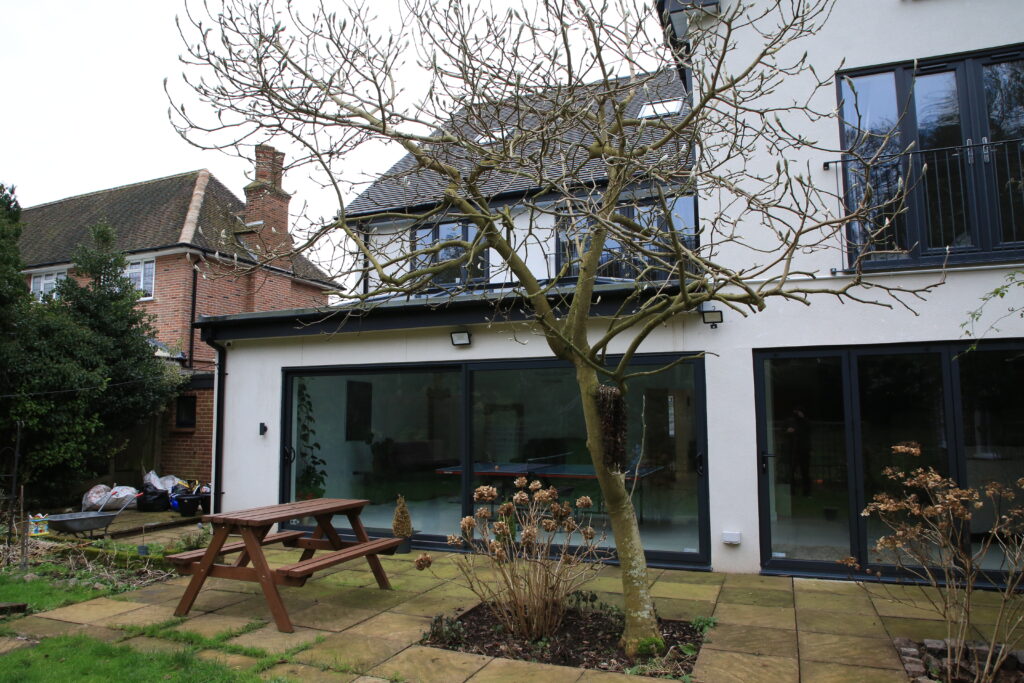
Firstly, let’s make sure we understand exactly what planning permission means and why it’s important.
Planning permission is formal approval from your local authority that allows you to carry out building work. It exists to make sure developments are safe, that they’re appropriate for the area and that they don’t negatively impact neighbours or the surrounding environment.
When it comes to a single floor extension, planning permission looks at things like:
- Size and height of the extension
- Proximity to boundaries
- Impact on neighbouring properties
- Fitting with the existing character of your home and street
It might sound a bit daunting, but don’t worry – we’re here to make sure you know what’s what.
And equally, it’s important to note that not every single storey extension needs planning permission.
Can You Build a Single-Storey Extension Without Planning Permission?
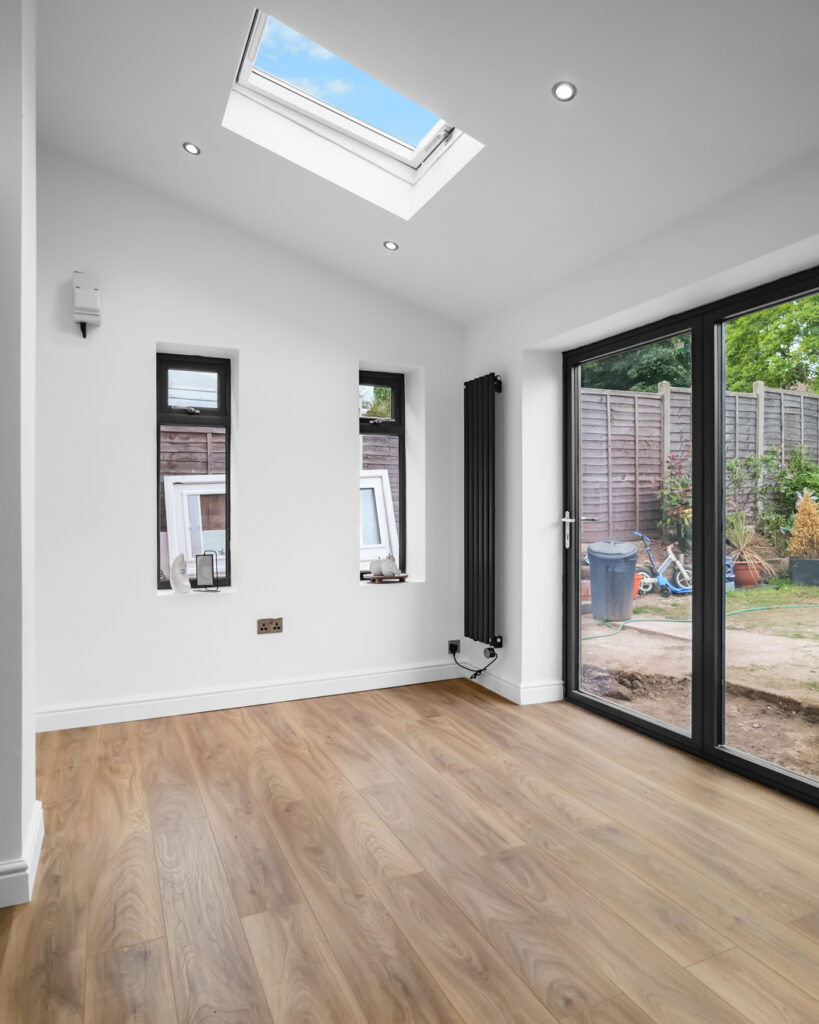
In many cases, yes – you can.
Single storey extensions often fall under permitted development rights, which allow certain types of work to be carried out without submitting a full planning application.
However, permitted development comes with specific rules which need to be abided by. If your extension goes beyond the limits set out in these rules, planning permission will be required. This is why it’s so important to understand where the line is before work begins.
Before you request planning permission, you’ll need to answer the following questions:
- What type of single floor extension do I want? (E.g. size, rear, wraparound)
- How big do I actually want this space to be?
Once you know that, you’ll be able to understand if you need planning permission or not.
Do You Need Building Regulations Approval For a Single Storey Extension?
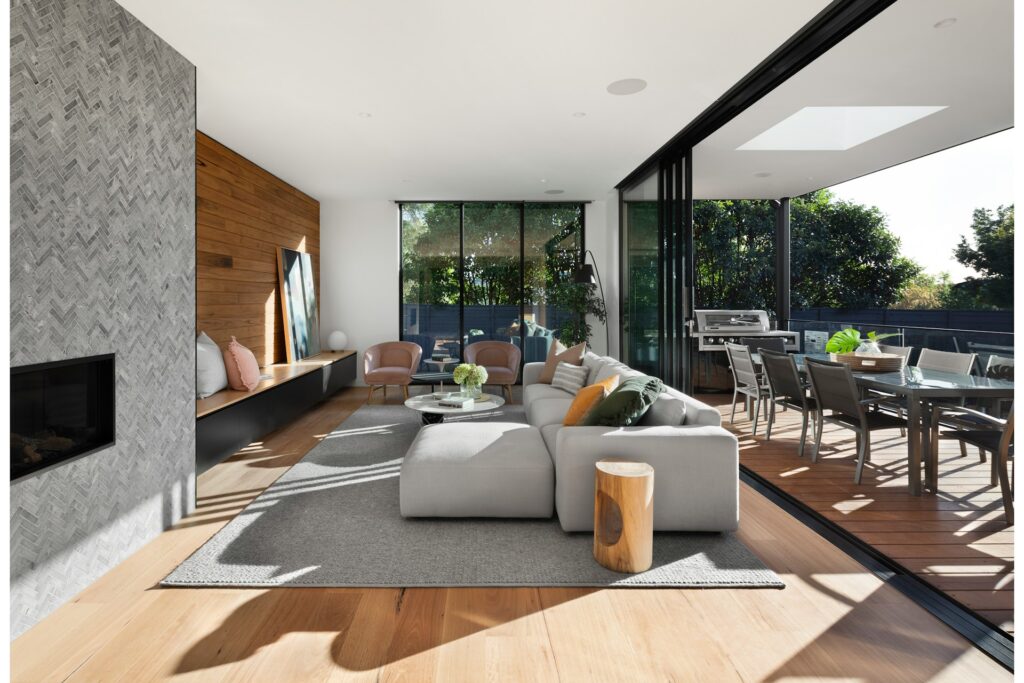
Even if planning permission isn’t required, building regulations approval almost always is.
Building regulations are different to planning permission, and is a totally separate thing. Building regs ensure that your extension is:
- Structurally sound
- Energy efficient
- Fire safe
- Properly insulated and ventilated
This approval covers foundations, walls, roofing, drainage, electrics and more. In short, it’s about making sure your new space is safe and built to a high standard (which is something we here at WMBC never compromise on).
Single Storey Extension Planning Permission FAQs
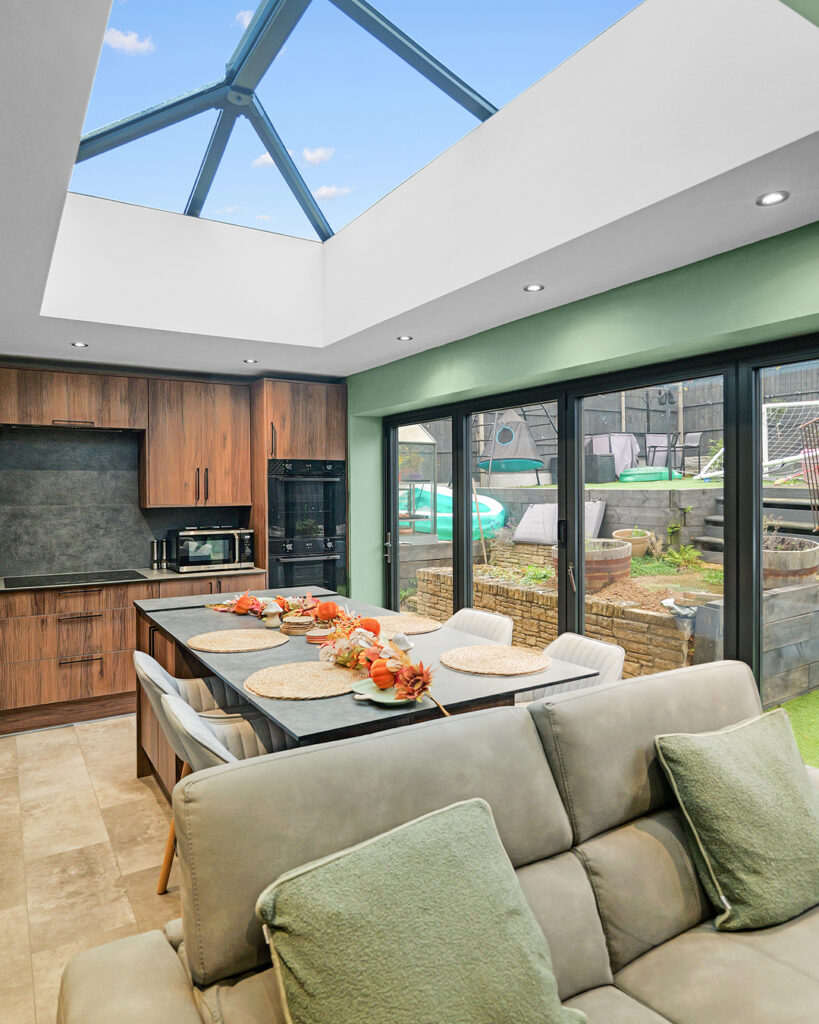
How big can I build a single storey extension without planning permission?
Under permitted development, rear extensions can usually extend:
- Up to 3 metres from the original rear wall of a semi-detached or terraced house
- Up to 4 metres for a detached house
In some cases, larger rear extensions may be allowed under the prior approval process.
What is the 2m boundary rule in a single storey extension?
If your extension is within 2 metres of a boundary, the maximum eaves height is usually 3 metres.
Basically, this rule simply helps reduce the impact on neighbouring properties, but often is one of the most commonly overlooked details.
Does a single storey extension come under permitted development rights?
Yes, many of them do, but only if all conditions are met. These rights can also be restricted or removed, especially on:
- Listed buildings
- New-build properties
- Homes in conservation areas
It’s always worth checking before assuming you’re covered (and you’ve started planning new living rooms or kitchens in your mind!).
Do you need planning permission for single storey wraparound extensions?
More often than not, yes – you may need planning permission for wraparound extensions. Wraparound extensions (combining rear and side extensions) usually exceed permitted development limits, as they wrap around the house, making them often pretty sizeable. This then means that planning permission is commonly required.
Do you need planning permission for single storey side extensions?
Again, in many cases, yes – you may need planning permission for a side extension.
This is especially the case if the extension is more than half the width of the original house or visible from the front.
Do you need planning permission for single storey rear extensions?
Not always. Rear extensions are the most likely to fall under permitted development, provided they stay within size, height, and boundary rules. This is because rear extensions are likely smaller in width and depth to not compromise too much of the garden.
Do you need planning permission for single storey front extensions?
Almost always, yes. Front extensions are rarely permitted development because they change the appearance of the property from the street, which is a key factor when dealing with planning permission.
Are there any other restrictions to be aware of before building a single storey extension?
Yes – a few important ones:
- Materials should be similar to the existing property (e.g. same colour brickwork)
- Extensions must not cover more than 50% of the original garden
- Rights may be restricted by previous planning conditions
It’s these finer details that can trip people up if they’re not checked early.
How Do You Apply For Planning Permission or Building Regulations Approval For a Single Storey Extension?
Our fantastic team of architects can take care of absolutely everything when it comes to planning permission or building regulations applications.
Planning permission applications are submitted to your local council, usually online, with drawings and supporting documents. Building regulations approval can be handled either through the council or an approved inspector.
At West Midlands Building Company, we regularly guide homeowners through this process, so nothing is missed and everything runs smoothly. We can create all of the required plans & drawings whilst also having all relevant forms ready to submit for approval.
Ready To Build Your Single Storey Extension?
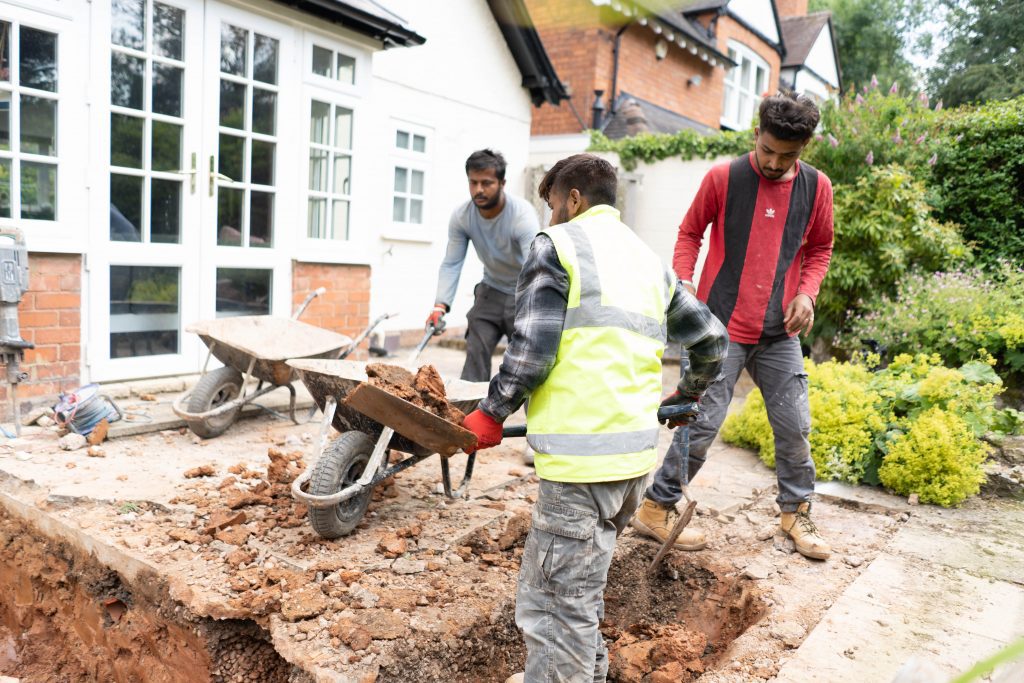
Planning rules don’t have to be confusing or stressful. With the right advice early on, and putting your trust in a high-quality installer, your single storey extension can move forward with confidence.
Here at West Midlands Building Company, we’ve worked on hundreds of single storey extension projects in the Birmingham and West Midlands area. With over 150 positive Google reviews, we’ve built a reputation as one of the most reliable and customer-focused companies in the region.
We also offer a variety of finance options, including buy-now-pay-later plans, and at the time of writing, we’re the only provider in the West Midlands to offer finance terms of up to 20 years on conservatory projects.
Ready to start your home improvement journey with a single floor extension? Get in touch with one of our friendly team members today to receive a FREE quote, and information about next steps.
Related Articles
What Is The Average Cost For a Single Storey Extension?
Do You Need Building Regulations For a Single-Storey Extension?